


Introduction
In the realm of tattoo artistry and client comfort, addressing pain effectively can make all the difference in whether a session is smooth or struggle-filled. Imagine easing through that dreaded first hour—a sharp scratch transforms into a tolerable buzz, nerves settle, and focus stays on the art rather than the ache. That’s the powerful potential behind numbing cream for tattoos, allowing people to undergo their desired designs with more confidence and less discomfort.
Zeroing in on how these creams actually work helps demystify the experience. Most formulations rely on anesthetics such as lidocaine—typically around 4% in over-the-counter products—that block sodium channels in nerve endings to prevent pain signals from reaching the brain. Studies show a reduction in reported pain by as much as 40–60%, especially during the initial phases of tattooing. For example, a 2018 review in the Journal of the American Academy of Dermatology highlighted that 5% lidocaine cream applied before skin procedures significantly reduced pain perception, while a 2019 study on tattoos found a 50% drop in discomfort during the first hour when using a combination of lidocaine and epinephrine aifortattoo.com.
Application technique is just as critical as ingredients. Applying the cream 60–90 minutes before tattooing with a plastic occlusive wrap boosts absorption by trapping heat and moisture, helping the anesthetic penetrate more deeply—often matching the 1–2 mm depth reached by tattoo needles scienceinsights.org. This alignment between numbing depth and needle depth is why topical anesthetics can be truly effective for tattoos.
That said, there are real trade-offs. Many artists warn that numbing creams can alter skin texture—making it feel rubbery or spongy—which may affect ink deposit consistency and complicate artistic precision scienceinsights.org. The key is open communication: clients should discuss numbing cream use with their artist in advance, so the artist can adapt technique or advise alternative strategies if necessary.
This introduction aims to provide a foundation of how numbing creams function, their demonstrated benefits, and the practicalities of using them effectively. By understanding both the scientific mechanisms and real-world implications, clients and artists can collaborate to find the best balance between comfort, safety, and artistic integrity.
How Numbing Cream Works
Numbing cream for tattoos operates through specific active ingredients that temporarily block nerve signals in the skin. The primary component in most formulations is lidocaine, a local anesthetic that numbs the surface area it’s applied to. By reducing the intensity of pain signals sent to the brain, these creams can significantly alleviate discomfort during tattoo procedures. Additionally, tetracaine and benzocaine are sometimes used as alternative anesthetics, each with slightly different properties tailored for various skin types and sensitivities.
The application of numbing creams is traditionally done ahead of time—usually 30 to 60 minutes before the tattoo session begins. This allows the active ingredients to penetrate the skin and achieve optimal effects. Artists typically advise using a small amount to test for any adverse reactions, as individuals might have sensitivities or allergies to the components. For example, some people have reported experiencing mild redness or irritation following application, which underscores the importance of patch tests.
Scientific Insights and Safety Considerations
According to recent studies, the effectiveness of numbing creams can vary based on the formulation and the specific needs of the client. A comprehensive study published by the National Center for Biotechnology Information highlighted that while lidocaine-based creams are generally effective, the anesthetic’s potency can be influenced by factors like skin thickness and individual pain tolerance. Thus, consulting with both a dermatologist and a professional tattoo artist is recommended to ensure the chosen product aligns with personal needs and safety standards.
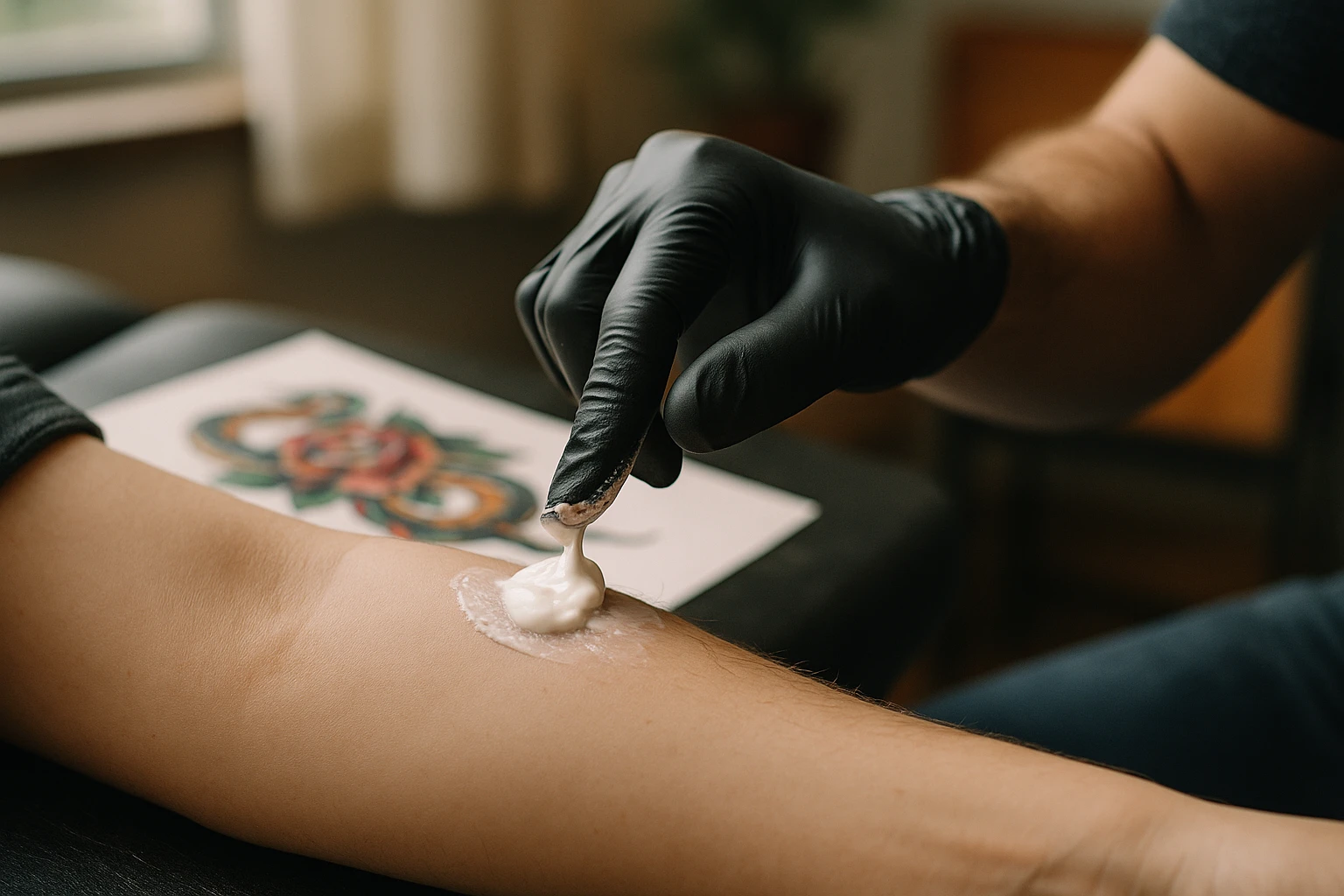
Proper application involves spreading the cream evenly over the desired area and covering it with plastic wrap to increase absorption through the trapping of body heat. Removing the wrap just before starting the tattoo process ensures that the cream reaches its full potential. However, it’s crucial to avoid over-application to minimize the risk of skin irritation or other skin-related issues.
Overall, the strategic use of numbing creams can dramatically improve the tattoo experience for individuals who are nervous about pain or have lower pain thresholds. By following best practices and leveraging expert advice, clients can achieve a more comfortable and enjoyable tattooing experience, ensuring that the focus remains on the artistic process rather than discomfort.
How Numbing Cream Works
The process of getting a tattoo can be inherently painful as it involves needles piercing the skin repeatedly. Understanding how numbing cream for tattoos works can help alleviate some of the anxiety associated with the procedure. These creams generally contain active ingredients such as lidocaine or prilocaine, which block nerve signals in the body. This temporary interruption in nerve communication results in a numbing sensation that makes the tattooing experience more bearable.
One of the key considerations for artists and clients alike is how to effectively use numbing cream to ensure optimal results. For instance, it is recommended to apply the numbing cream about 30 to 60 minutes before the tattoo session begins. The skin should be clean and free of any oils or lotions to maximize the cream’s effectiveness. Once applied, covering the area with plastic wrap can enhance absorption and maintain the area’s warmth, further activating the ingredients. An effective numbing session often results in 1-2 hours of reduced sensation, providing ample time for many tattoo sessions.
Considerations and Expert Opinions
While numbing creams are widely used, there are varying opinions regarding their use in tattooing. Some artists believe that using numbing cream can alter the texture of the skin temporarily, making it harder to gauge the depth of the tattoo needle. This can affect the final result. However, many professionals have successfully integrated these creams into their practice by making slight adjustments in technique. According to an article documented on Healthline, numbness can sometimes lead to skin sensitivity or allergic reactions, which underscores the importance of conducting a patch test before full application.
For artists seeking trusted products, TKTX offers a range of numbing creams renowned for their effective formulas and reliable results. These products have garnered positive reviews for allowing intricate detail work without causing discomfort.
Real-World Application
In real-world applications, numbing creams have transformed the tattooing experience for many. From large back pieces requiring multiple sessions to delicate line work on sensitive areas, these creams ensure comfort and reduce the likelihood of clients pulling away due to pain. A case study in National Center for Biotechnology Information outlines how proper application affects the tattoo session, suggesting that clients report significantly lower pain levels and enhanced satisfaction with the final product.
In conclusion, when used responsibly and with the guidance of a professional, numbing cream for tattoos can be a game-changer. Its impact on both the tattooing process and the overall client experience makes it an invaluable tool for artists and clients alike.
Proper Application Techniques for Optimal Results
Applying numbing cream for tattoos correctly is crucial to achieving the desired level of comfort and efficacy. The right approach not only minimizes pain during the tattoo process but also ensures that the tattoo artist can work more efficiently, leading to a better final result. Here’s a step-by-step guideline to maximize the benefits of numbing creams.
Selecting the Right Product
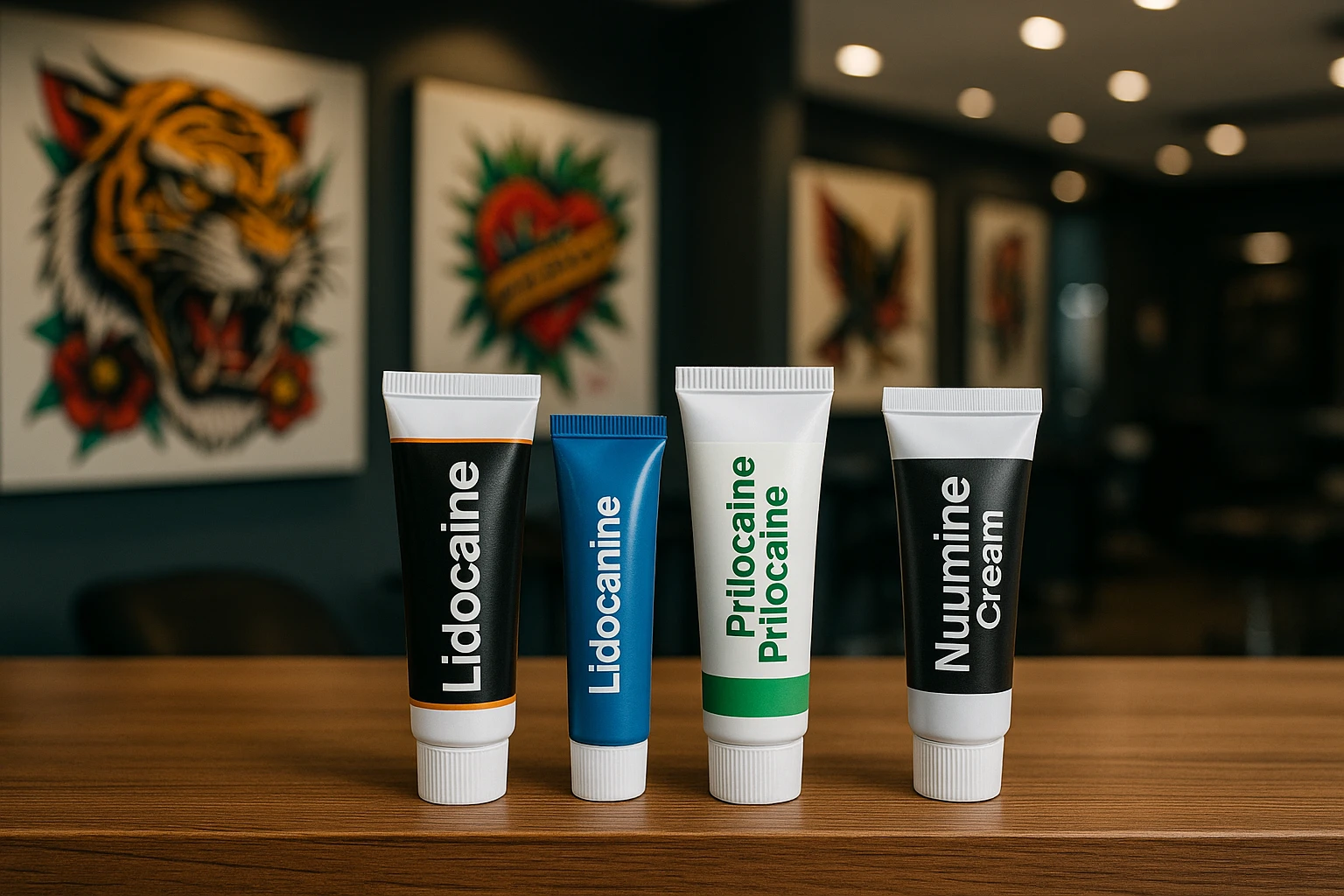
Choosing the appropriate numbing cream is the first step toward enhancing your tattoo experience. It’s important to opt for a product with the right active ingredients, such as lidocaine, which is well-known for its numbing effects. Expert tattoo artists often recommend seeking out reviews from reputable sources or consulting directly with the tattoo studio to ensure the product’s reliability and safety. Products with at least 4-5% lidocaine are generally effective, but checking additional ingredients can also provide added benefits.
Preparation and Pre-Application Steps
Before applying the cream, the skin should be clean and free from any oils or lotions. This can be achieved by washing the area with mild soap and water. Once clean, pat the skin dry with a towel. Experts also suggest lightly exfoliating the area to enhance absorption. It’s essential to follow these steps to ensure that the cream penetrates effectively into the skin layers.
Application Method
After preparing the skin, apply a generous amount of the numbing cream, ensuring it fully covers the tattoo area. The cream should be applied approximately 30 to 45 minutes before the tattoo session. To increase absorption, some professionals recommend wrapping the area with plastic wrap, as this can trap heat and moisture, improving efficacy. According to Tattoo Easily, this method is often used in studios to enhance the numbing effects.
Timing and Reapplication
The timing of the application is critical. Leaving the cream on for too long or too short a duration can either reduce its effectiveness or cause skin irritation. After about 30 to 45 minutes, wipe off any excess cream before starting the tattoo process. If the session is prolonged, some artists may advise reapplication at designated intervals to maintain comfort levels, but this should be done under professional guidance to avoid skin sensitivities.
Consultation with Professionals
Collaborating with the tattoo artist is paramount when using numbing creams. Artists can offer insights into the best products and application methods suited for specific types of tattoos and skin types. They can also provide advice on how to mitigate risks effectively. As highlighted in various industry forums, open communication with your artist about using numbing products can greatly enhance the tattooing experience.
Conclusion: Making Informed Choices for Your Tattoo Experience
Embracing the art of tattoos can be both a thrilling and personal journey, yet it’s essential to understand how to enhance your experience, especially if you’re concerned about pain. Numbing cream for tattoos can be a game-changer, allowing individuals to enjoy their tattoo sessions with reduced discomfort. As we’ve explored, selecting the right cream involves knowing your skin type, understanding active ingredients like lidocaine, and consulting with professional tattoo artists.
Before making a decision, consider conducting a patch test to ensure no adverse reactions. Additionally, bear in mind that while numbing creams can significantly aid in pain management, their effectiveness may vary based on individual sensitivity to pain and the specific tattoo design. A well-informed choice can lead to not only a smoother tattooing process but also a more enjoyable memory of getting inked.
For those eager to try numbing creams, consulting trusted sources and brands is crucial. TKTX is one such reliable option, offering comprehensive solutions tailored for tattoo enthusiasts. Their formulations are designed to cater to various pain thresholds and skin sensitivities, providing peace of mind during your tattoo journey. Engaging with reputable brands ensures not only product safety but also optimal results.
Finally, remember that the tattooing experience is highly personal and what works for one person might not work for another. Continuous research and seeking advice from experienced professionals can greatly enhance your satisfaction. Whether you’re a first-timer or a seasoned individual exploring new designs, taking these steps into consideration can make a significant difference in your tattooing experience.
In conclusion, selecting the best numbing cream for tattoos involves a dedication to thorough research and proper usage. As you prepare for your next tattoo session, consider both the artistic elements and the practical aspects of pain management. Utilizing brands like TKTX can provide the support you need to focus on the beauty of your new tattoo without the pain overshadowing your experience.