


The Rising Demand for Numbing Creams in Tattoo Culture
Tattoos, once a symbol of rebellion, have steadily gained mainstream acceptance over the years. According to a 2021 survey by Ipsos, nearly 30% of Americans now have at least one tattoo, reflecting a significant cultural shift Ipsos. With this rise, there’s an increasing awareness and demand for products that can make the tattooing process more comfortable. Enter the world of numbing creams, a topical anesthetic solution aiming to minimize the discomfort associated with getting inked.
As tattoos become more intricate and painful areas more commonplace, the use of numbing cream for tattoos is gaining traction. These creams, often containing lidocaine, aim to desensitize the skin, allowing for a less painful tattooing experience. For instance, professional tattoo artists often recommend numbing creams for larger pieces that require lengthy sessions, helping clients endure the process more comfortably.
However, choosing the right numbing cream involves understanding its components and how it reacts with the skin. According to Healthline, lidocaine is a common active ingredient due to its effectiveness in blocking nerve signals. Yet, not all skin types respond similarly, making it crucial to test on a small area first. Engaging with a reputable product like those in the Numbing Cream category can help ensure safer and more reliable results.
It’s also essential to acknowledge the varied experiences among those who use numbing creams. Some report significant relief, while others notice minimal difference. This disparity might not only hinge upon the product’s composition but also on the individual’s pain tolerance and the expertise of the tattoo artist. Good communication between the artist and client can further enhance the tattooing experience, making numbing creams an integral part of the preparation dialogue.
How Numbing Creams Work
Numbing creams for tattoos primarily function by disrupting the communication between nerve endings and the brain, resulting in a temporary loss of sensation or reduced pain in the targeted area. This analgesic effect is generally achieved through active ingredients like lidocaine, benzocaine, or prilocaine. Each of these components operates as a local anesthetic, blocking the sodium channels in nerve cells, which prevents pain signals from reaching the brain.
An example of the efficacy of numbing creams can be seen in a small study where participants applied lidocaine-based cream prior to getting their tattoos. As noted in a study published in the Journal of Clinical Anesthesia, individuals reported a significant decrease in discomfort compared to those who did not use a topical anesthetic. This supports the idea that these products can indeed be effective when used correctly.
Application Techniques for Optimal Results
Applying numbing cream correctly is crucial to achieving the desired pain-relief effects. Experts recommend applying a thick layer of the cream approximately one hour before the tattoo session. It is essential to cover the area with plastic wrap to ensure maximum absorption into the skin. The plastic also helps maintain warmth and moisture, which can further enhance absorption rates. After the recommended period, the artist will clean the area to remove any residue, ensuring a clean surface for the tattooing process.
For those interested in learning more about numbing cream applications and their impact, consider perusing The Ultimate Guide To Numbing Cream For Tattoos Everything You Need To Know 9661 for a comprehensive overview of best practices and safety measures.
Key Considerations and Precautions
Before using numbing creams, individuals should consult with their tattoo artist and possibly a healthcare provider, especially if they have sensitive skin or allergies. Some individuals may experience adverse reactions such as skin irritation, redness, or even numbness extending beyond the intended area. Therefore, conducting a patch test is advised to assess any potential allergic reactions beforehand.
Numbing creams provide a valuable option for clients seeking pain relief during tattoo sessions. However, their effectiveness varies widely based on individual factors and the specific formulation of the cream used. Engaging in discussions with your tattoo artist and conducting thorough research can help ensure that using numbing cream for tattoos leads to a positive and less painful experience.
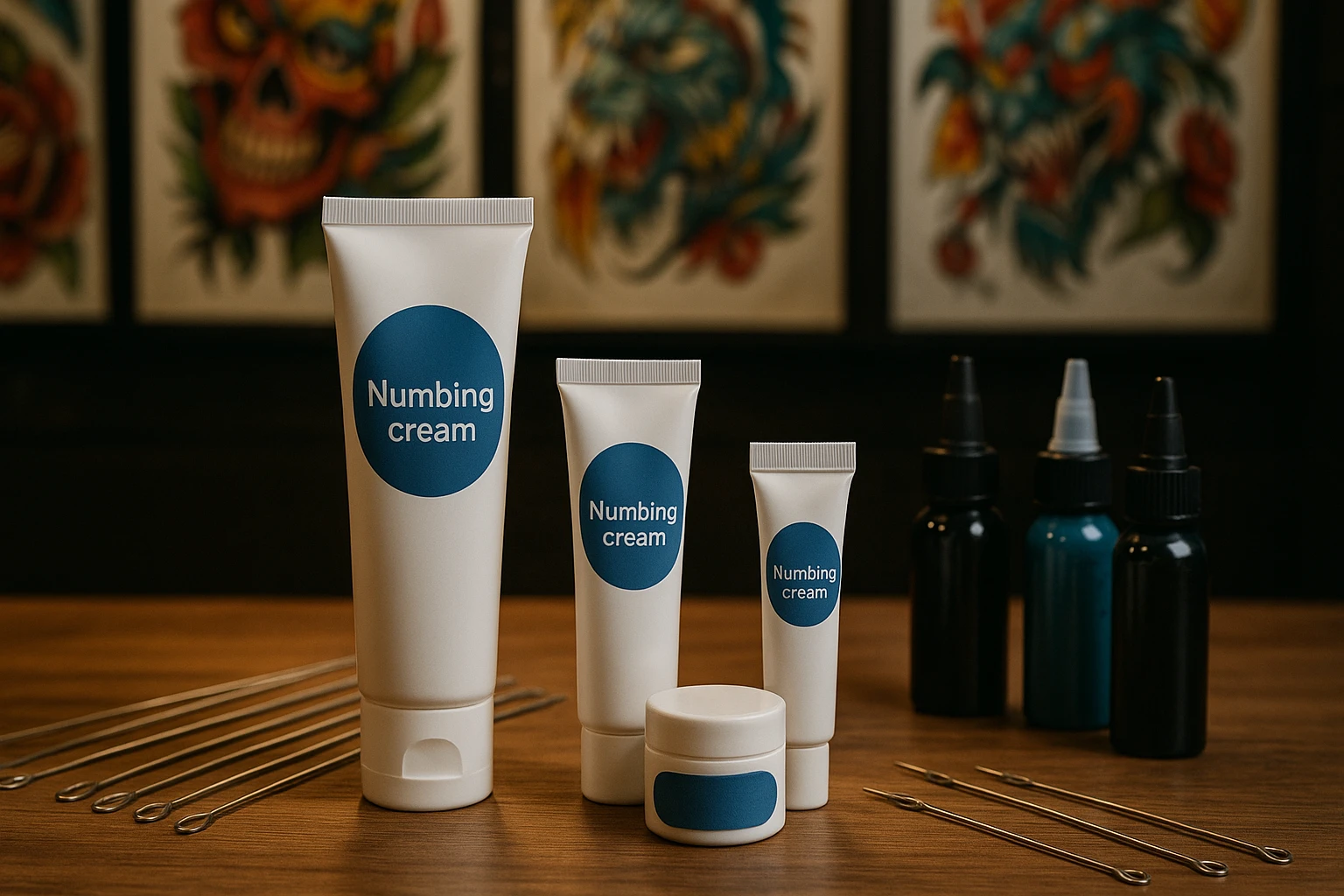
Applying Numbing Cream for Tattoos: Best Practices
Navigating the application process of numbing cream for tattoos requires a thoughtful approach to ensure optimal results. Proper application not only maximizes the effectiveness of the cream but also contributes to a smoother tattooing experience. First and foremost, the skin area designated for the tattoo should be clean and dry. Any residue like oils, dirt, or lotions can impede the cream’s absorption and efficacy.
Once the area is prepped, apply a generous layer of the numbing cream. It’s crucial to follow specific instructions provided with the cream, as different formulations may require variable application amounts and times. Applying the cream too thinly might result in inadequate numbness, leading to discomfort during the tattooing process.
Waiting Period for Optimal Effect
The waiting period after application is pivotal. Typically, the cream should be left on the skin for about 30 to 60 minutes, depending on the product’s guidelines. This time frame allows the active ingredients to penetrate the skin layers effectively. During this waiting period, covering the area with plastic wrap is advisable. The wrap prevents the cream from drying out and enhances penetration, making the numbing effect more potent. It’s important to remove the wrap before the tattoo session begins to allow the artist to work on the skin efficiently.
Real-World Applications and Tips
Tattoo artists and enthusiasts often use numbing creams for larger, more complex designs that require extended periods. For intricate works, taking breaks might be necessary, and reapplication of the cream can be considered to maintain comfort. According to industry experts, consistent communication with the tattoo artist is key—ensuring they understand the extent of numbness desired can help tailor the tattooing process to your comfort needs.
Many professionals utilize trusted brands like TKTX for their reliable performance, noted for maintaining sensation-free skin for longer durations. For those interested in learning about the intricate procedures involved in tattooing, The Process Of A Tattoo Guide offers comprehensive insights, exploring everything from design creation to final touches.
The correct use of numbing creams not only aids in reducing pain but also allows for a more relaxed experience, particularly for those getting their first tattoo. Understanding and adopting these practices can make a significant difference in the overall tattooing process, turning it from a daunting to an enjoyable experience.
Proper Application Techniques for Optimal Comfort
To ensure the most effective use of numbing cream for tattoos, starting with impeccable preparation is vital. Cleanse the area thoroughly with mild soap and water to remove any oils, sweat, or lotions, and make sure the skin is completely dry before application. This step increases absorption and reduces the risk of interference with stencil placement or ink saturation. According to The Best Numbing Cream’s professional guide, you should avoid applying numbing cream on oily or irritated skin to maintain consistency in performance.https://thebestnumbingcream.com/pages/numbing-cream-directions
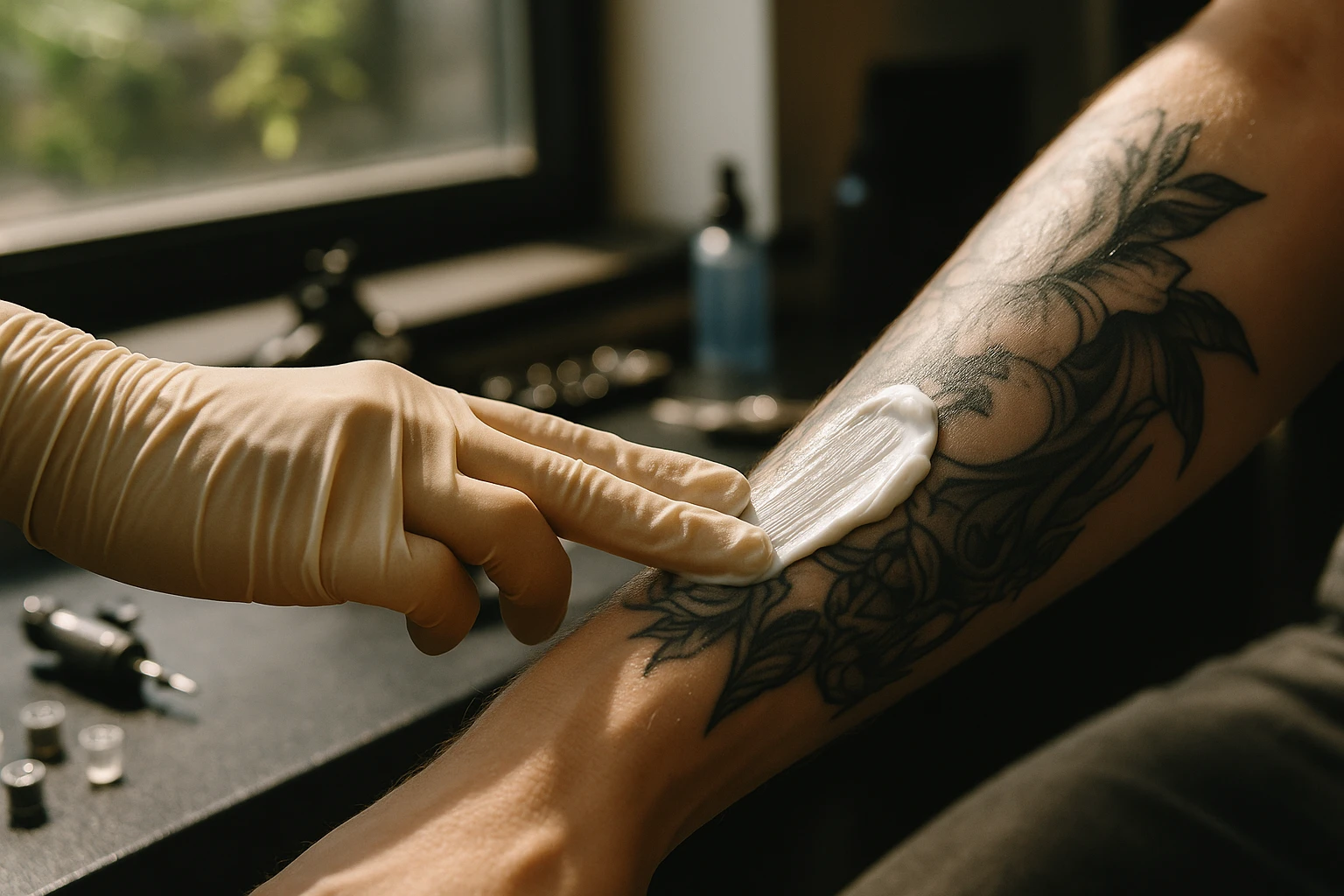
Applying the cream correctly is as critical as cleaning the skin. Experts emphasize applying a visible, thick layer—approximately 1.5–2 mm, or around two stacked credit cards worth—rather than rubbing it in like lotion, which can reduce effectiveness by up to 50–70%. For instance, use roughly 3–4 grams for a 4×4 inch area, spreading evenly with a gloved finger or spatula. This technique ensures full nerve penetration and prolonged numbness. A clinical study in Clinical Pain Management noted that 87% of users underapply, significantly compromising results.https://fillersfairy.com/numbing-cream-before-tattoo-5-application-tips/
Once applied, cover the area with an occlusive wrap, such as plastic cling film. This step is essential—it creates a microclimate that increases skin temperature and humidity, aiding deeper absorption. In fact, a 2023 study published in Anesthesia & Analgesia found that occlusion boosts absorption rates by 60–80% compared to uncovered skin.https://fillersfairy.com/numbing-cream-before-tattoo-5-application-tips/
Timing is equally important. For many products, 60–90 minutes of occluded application is ideal. Applying the numbing cream too shortly—say, under 45 minutes—may yield incomplete numbing, while exceeding 90 minutes can lead to skin changes without added benefit. The 60–90 minute window provides a balance between efficacy and safety.https://numbastay.com/blogs/news/how-to-apply-tattoo-numbing-cream-properly-60-90-minute-method-common-mistakes
Before your tattoo session begins, remove the wrap and wipe away all excess cream thoroughly to ensure a clean, dry surface. Residue left behind can compromise stencil adhesion and alter artist control during tattooing. Letting your tattoo artist know you’re using the cream is equally important—they can adjust their technique or timing accordingly, improving overall session quality and communication.https://thebestnumbingcream.com/pages/numbing-cream-directions
Following these steps transforms numbing cream from a pain deterrent into a tool that enhances precision, comfort, and collaboration with your artist—especially for longer sessions or sensitive areas. Proper technique ensures it plays a supportive, not disruptive, role in achieving beautiful and lasting tattoo results.
Conclusion: Making Informed Choices for Your Tattoo Experience
Choosing the right numbing cream for tattoos can substantially enhance your tattoo experience, offering comfort and making the process more enjoyable. As we have explored, these creams are valuable tools for managing pain, particularly for first-timers or those undergoing lengthy sessions. They not only help alleviate physical discomfort but also ease anxiety, allowing you to focus more on the creative process and less on potential pain.
When selecting a numbing cream, it’s important to consider factors such as the active ingredients, application time, and potential skin reactions. Consulting with a professional tattoo artist is always recommended, as they can provide tailored advice and ensure safety based on your skin type and tattoo placement. Additionally, reading customer reviews and seeking products with a strong reputation can guide you toward the most effective options.
For those seeking out tried-and-true solutions, industry-leading products featured on reputable platforms like TKTX can be a great place to start. Here, you can find a variety of numbing creams that cater to different needs, ensuring both efficiency and safety. Their range of products is well-regarded among artists and clients alike, making it a worthwhile consideration for enhancing your tattoo experience.
Beyond using numbing cream, it’s crucial to maintain open communication with your tattoo artist. Discuss your pain tolerance and any skin sensitivities upfront. This dialogue will help tailor your session, ensuring you’re comfortable throughout. Remember, an expert artist will always prioritize safety and comfort, helping to make the experience as smooth as possible.
Finally, as you embark on your tattoo journey, stay informed and proactive. The more you understand about the products you use and the process itself, the more confident you’ll feel. Exploring numbing cream options and integrating them wisely into your tattoo process can transform your experience from merely tolerable to genuinely enjoyable. Start your research with trustworthy resources, allowing your body art to reflect both your personal style and your comfort.