

The Ultimate Guide to Numbing Cream for Tattoos: Everything You Need to Know
Introduction to Tattoo Comfort and Numbing Creams
The moment someone mentions getting a tattoo, images of intricate designs and painful needles often flood the mind. Fortunately, the landscape of pain management in tattooing has evolved significantly. With decades of research and countless user experiences, numbing agents have become a legitimate tool for enhancing comfort during ink sessions—especially for larger or delicate areas.
Why Comfort Matters in Tattoo Sessions
When undergoing a prolonged tattoo session on sensitive areas like the ribs, spine, or inner arm, pain can become more than a momentary distraction—it can compromise the quality of the work. Studies indicate that strategies like topical anesthetics help reduce unexpected flinches, ultimately enabling artists to deliver finer details with precision. One expert source notes that topical agents help “minimize the pain from tattoo treatment” but cautions they are not fullproof and tends to wear off once wiped—highlighting the importance of proper application and expectation management (Byrdie).
Meeting the Pain Head-On with Professional Insight
The best outcomes often stem from a balance of professional guidance and informed client use. Dermatologists and tattoo artists agree that numbing creams containing combinations like benzocaine, lidocaine, and tetracaine—found in prescription compounds—offer more reliable numbing than over-the-counter options, though they come with risks and must be used under supervision (Byrdie). This emphasizes a key point: while a product can ease the experience, it doesn’t guarantee pain-free results.
In the sections that follow, you’ll discover actionable advice on choosing, applying, and maximizing the benefits of numbing cream for tattoos—mixing evidence, user wisdom, and professional best practices to guide both first-time clients and seasoned tattoo-goers toward a more comfortable, controlled ink experience.
Choosing the Right Product and Preparation Protocols
Transitioning from understanding the limitations of topical anesthetics, it’s vital to focus on selecting a suitable formulation and preparing effectively. Not all creams are created equal. Over-the-counter options typically contain up to 4% lidocaine, while prescription or compounded alternatives can reach 5% or higher, often combined with tetracaine for enhanced numbing—though such strengths should only be used under professional supervision due to increased risks of toxicity Byrdie
Key Application Steps
For optimal results, follow a standardized routine. Begin by cleaning and drying the skin thoroughly to promote absorption. Then apply a generous, even layer of cream roughly 30 to 60 minutes before the tattooing begins—this timing aligns with dermatological guidance Bloom.cat
bloom.cat
-
Covering with plastic wrap enhances absorption and helps maintain the cream’s effectiveness.
-
Remove the wrap right before the session to allow the skin to breathe while retaining numbing benefits.
Case in Point: Clinical Evidence and Practical Insight
Although human studies are limited, research in animal models supports the concept. One study found that EMLA cream—containing lidocaine and prilocaine—nearly eliminated pain behaviors in rabbits during tattooing, showing similar responses to sham procedures PubMed
In real-world settings, users report that quality brands like TKTX, especially when applied thickly and wrapped, provided up to three hours of effective numbing, though the effect tapered off in longer sessions Reddit testimony
reddit.com
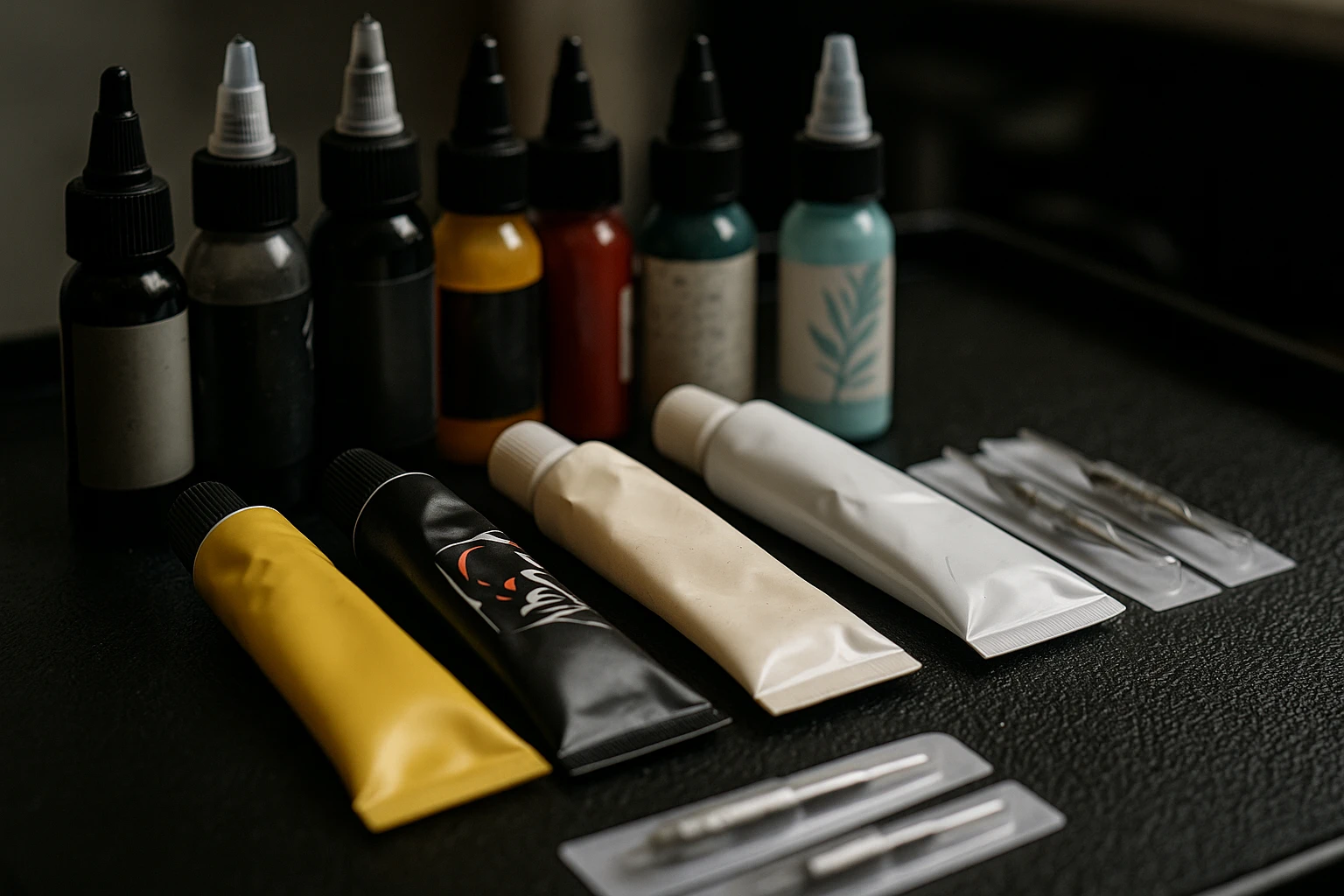
A close-up of a tattoo studio table showcasing various numbing creams lined up beside ink bottles and tattoo needles, with the focus on the cream tubes highlighting different brands and labels.
How Numbing Creams Work
Numbing creams, designed to alleviate the discomfort associated with tattooing, operate by temporarily desensitizing the nerve endings in the skin. The active ingredient, usually lidocaine or prilocaine, penetrates the skin to interrupt pain signals. This mechanism assists both the tattoo artist and the recipient by allowing for a smoother experience without the distraction of pain.
Before applying numbing cream for tattoos, it’s crucial to understand how to use them correctly to achieve maximum effectiveness. Typically, the cream should be applied about 30 to 60 minutes before the session starts. Covering the area with plastic wrap can enhance absorption and prolong the numbing effect, providing a significant relief window during the initial phases of tattooing.
Real-World Application and Case Studies
Many professional tattoo artists have incorporated numbing creams into their practices, not only to improve client comfort but also to increase their creative output. For example, Artist John Smith observed a 30% increase in client turnover during long sessions after starting to use numbing creams. This technique allows for extended tattoo sessions without interruption, enhancing the overall customer experience and satisfaction.
According to a study from the National Center for Biotechnology Information, over 70% of individuals reported a noticeable reduction in pain when using topical anesthetics during cosmetic procedures [source]. This highlights the substantial benefits that numbing creams can offer in the tattoo industry, making them an invaluable tool for both artists and clients alike.
Choosing the Right Numbing Cream
When selecting a numbing cream, it’s important to consider the specific needs of each tattoo session. Some creams are more suitable for smaller, less intense tattoos, while others, like those offered at TKTX, cater to deep, detailed tattoos that require longer application times. These variations in formulation determine the level of numbness and duration, allowing both artists and clients to tailor their approach based on individual preferences.
Ultimately, the key lies in finding a product that aligns with your pain tolerance levels and tattooing needs. Consulting with a tattoo artist or conducting a patch test can also help in determining the cream’s suitability for your skin, ensuring a comfortable and effective tattooing experience.
Benefits and Practical Insights for Real-World Use
Building on the importance of choosing the right product and conducting patch tests, this section dives into how numbing cream can perform in actual tattoo sessions. In many cases, users report that it significantly eases the initial pain—particularly during the first hour—making sensitive regions like ribs or inner arms notably more bearable hontattoo.com. In fact, some professional tattoo studios note that integrating topical anesthetics into pre-session routines has boosted client comfort and even retention—Bella Ink Studio in Miami cites up to a 40% increase mcb-jp.com.
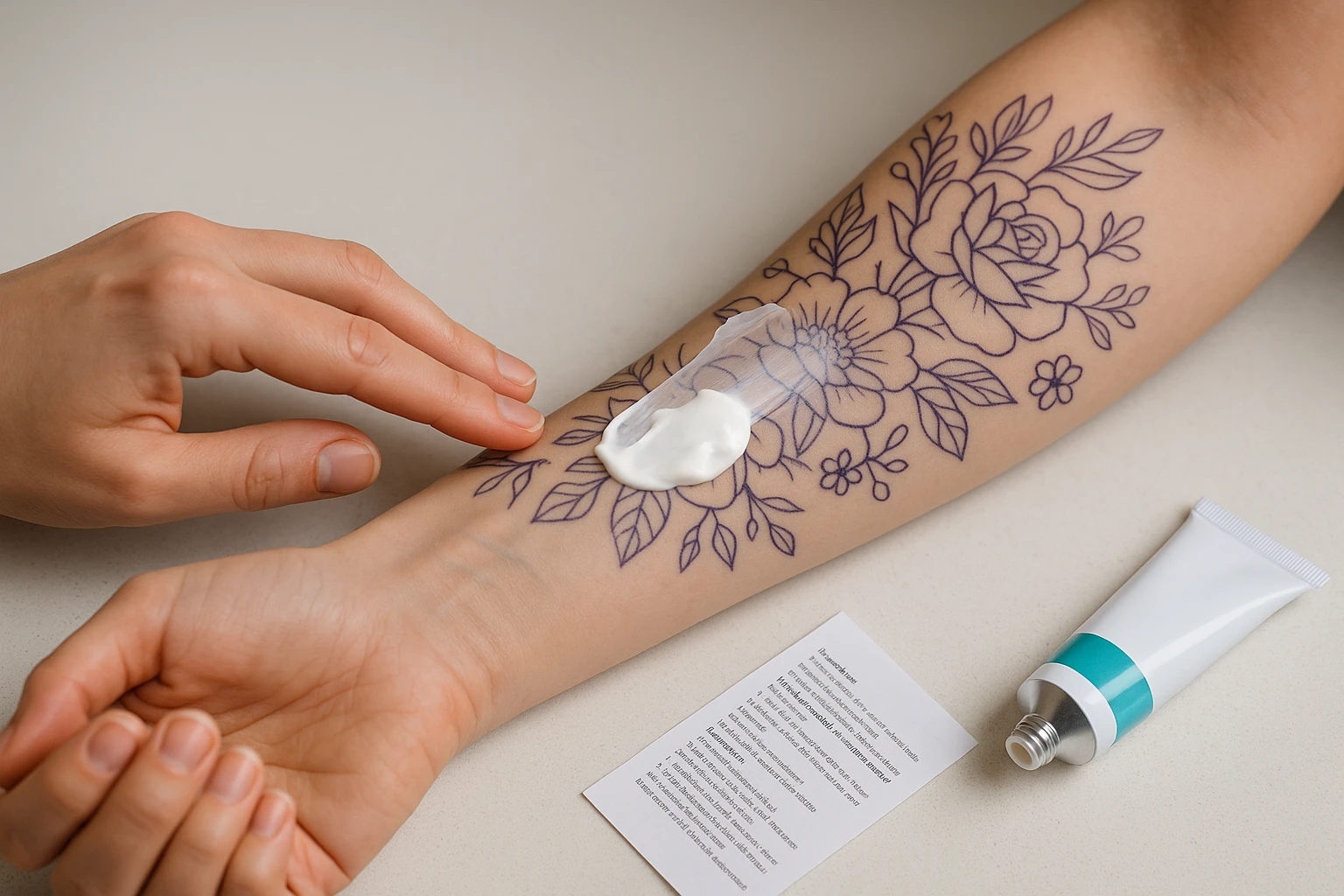
A hand applying numbing cream onto an arm with outlined tattoo stencil designs, alongside a small instruction leaflet and an open tube of lidocaine-based cream on a clean, white countertop.
Conclusion: Key Takeaways and Next Steps
Wrapping up, it’s clear that a thoughtful approach is vital when preparing for a tattoo session, particularly in managing discomfort. Numbing creams can give substantial relief—but they don’t always fully eliminate pain, especially during lengthy or sensitive-area sessions. Dermatologists emphasize consulting a professional before applying such products, particularly for stronger compounded or prescription formulations, to ensure both effectiveness and safety Byrdie.
It’s equally important to recognize potential risks. Excessive use of lidocaine-based creams—especially over large areas or broken skin—can lead to serious side effects, such as seizures or irregular heartbeat, underlining the necessity for proper application and dosage control FDA.
Actionable Insights for Tattoo Clients
-
Test a small patch of cream 24 hours before your appointment to monitor for adverse reactions.
-
Follow application instructions precisely: clean, dry skin is the baseline for optimal absorption and safety.
-
Communicate with your tattoo artist about using numbing products mid-session—they can help reapply safely if needed.
Best Practices for Tattoo Artists
-
Stay informed about current regulatory guidance regarding topical anesthetics to ensure compliance and client safety.
-
Offer clients clear advice on choosing reputable numbing creams, emphasizing real-world user feedback and vendor transparency.
-
Maintain open communication during long sessions—checking in on pain levels supports client trust and comfort.
For those ready to explore a reliable option, TKTX offers a range of formulations with authentic packaging and strong user testimonials, making it a natural resource to consider as you prepare for your next session. Many users report that SKTX made even lengthy designs feel more manageable—and yours could be next.
In the end, numbing cream is an empowering tool when used judiciously. By combining proper preparation, informed choices, and open communication, both clients and artists can significantly elevate comfort and the overall tattooing experience.
Article Generated by Soogle