

Introduction
Across continents and millennia, humans have adorned their skin not only for aesthetic appeal, but also as a canvas reflecting identity, belief systems, societal roles, and spiritual connections. An article about the history of tattoo in different cultures invites curious readers to embark on a journey from the frozen body of Ötzi the Iceman—whose 5,200-year-old tattoos may have been therapeutic or ritualistic—to the intricate facial moko of the Māori, which conveyed genealogy, status, and personal history in New Zealand’s indigenous culture nationalgeographic.com.
Beginning with Ötzi’s simple charcoal line engravings preserved by ice, scholars have traced cultural significance across ancient Egypt’s tattooed priestesses and nomadic Scythian warriors marked with mythical animal motifs in Siberia nationalgeographic.com. In Polynesia, the word tattoo arrived in Western vocabulary via Captain Cook, but the practice itself—known as tatau—had long been central to personal and communal identity, where the body became a living narrative of ancestry and rites of passage britannica.com.
Shifting focus to contemporary cultural resurgences, Native American communities such as the Choctaw, Chickasaw, and Cherokee are revitalizing facial tattoos like inchunwa as expressions of ancestral strength and reclaiming disrupted heritage—reflecting how past traditions are powerfully relevant today theguardian.com.
At the crossroads of religion and ritual, traditions like Thailand’s sak yant continue a long lineage of sacred tattooing, offering spiritual protection and blessings through meticulous hand‑poked inked forms passed down by monastic specialists insidehook.com. Similarly, Inuit facial tattoos, or kakiniit, historically signified womanhood, maturity, and spiritual passage—underscoring how cultural meanings transcend geography and era thebridalbox.com.
Together, these threads—ancient mummies, Polynesian masters, Indigenous revival, sacred rites, and spiritual transitions—underscore the rich mosaic of tattooing traditions that traverse time and terrain. The introduction that follows delves deeper into these remarkable stories, offering readers concrete historical context and actionable insights into the evolving narratives behind body art.
The Legacy of Tattoos in Indigenous Cultures
The multifaceted history of tattoo in different cultures is intricately tied to the customs and beliefs of indigenous communities worldwide. These body markings often transcend mere aesthetic appeal, serving as powerful symbols of identity, status, and spirituality.
The Polynesian Tradition
In Polynesian cultures, tattoos, known as “tatau,” are deeply symbolic and convey a person’s genealogy, accomplishments, and societal rank. Traditional methods, using tools made from bone or tusk, remain a rite of passage for young men. A resurgence of traditional tattooing in these regions highlights a cultural revival that aligns ancient practices with modern expressions of identity.
Native American Symbolism
Among Native American tribes, tattoos have historically represented profound cultural narratives. The Haudenosaunee people, for example, used facial tattoos as protection from evil spirits and to symbolize significant life events. The designs, often inspired by nature and spiritual symbolism, reinforce a deep connection with the natural world.
The Role of Tattoos in African Tribes
In various African tribes, tattoos act as identifiers of lineage and status. For instance, the nomadic Fulani people of West Africa employ tattoos that signify tribal affiliations and are essential during rites of passage. This practice displays a mesmerizing blend of artistry and identity, allowing personal stories to unfold through skin markings.
Modern interest in these practices has prompted research and documentation, ensuring that the rich narratives behind these tattoos are preserved for future generations. According to a study conducted by the Smithsonian Institution, these cultural tattoos have gained international recognition, sparking renewed interest and respect for their historical significance (Smithsonian Institution).
The Resilience of Cultural Expressions
Whether illustrating heritage or serving as spiritual amulets, tattoos in these indigenous communities exemplify resilience and continuity through adversity. The artistic innovation seen in traditional tattooing methods, such as hand-tap techniques in Polynesia or intricate scarification patterns in Africa, demonstrates a profound commitment to cultural integrity.
These practices underscore the article about the history of tattoo in different cultures by demonstrating a unique fusion of art, symbolism, and identity preservation. As modern society continues to appreciate the intricacies of these cultural tattoos, they serve as invaluable chronicles of human expression and history.
Efforts to document and study these traditions ensure their sustainability and foster an appreciation for the profound artistry and cultural significance of tattoos across the globe.

European Tattoo Traditions: From Taboo to Fashion
In Europe, the perception of tattoos has evolved remarkably over the centuries. Historically, tattoos were viewed with suspicion and often associated with the lower echelons of society or criminality. Yet, as global exploration expanded, Europeans came into contact with tattooed individuals from other cultures, sparking curiosity and gradual acceptance. By the 18th century, the British Navy played a pivotal role in normalizing tattoos owing to sailors who returned from the South Pacific adorned with body art.
By the 19th century, tattooing began to gain popularity among European aristocrats. Notably, Prince Albert, the husband of Queen Victoria, reportedly had a cross tattooed on his arm, which encouraged other members of the elite to adopt the practice. According to an article on royal tattoos, many European royals, including George V of the United Kingdom, also embraced this art form, subtly shifting public perception from taboo to a status symbol.
20th Century Transformation
The 20th century witnessed a further shift as tattoos transitioned from royal acceptance to mainstream culture, aided by shifts in societal attitudes during the post-war era. The rise of punk culture in the 1970s and 1980s further embraced tattoos as forms of self-expression and rebellion. Tattoo parlors proliferated, and the art form became more sophisticated, employing modern machinery and colorful inks.
In recent decades, tattoos have become a fashion statement across Europe, transcending social classes and age groups. According to a 2018 survey by the Daily Mail, approximately 40% of Europeans aged 18-34 have at least one tattoo. This broad acceptance has diversified the styles and techniques used, making tattoos a critical aspect of contemporary fashion and identity.
Preservation and Innovation
The modern European tattoo scene is a testament to both preservation and innovation, where traditional methods coexist with cutting-edge techniques. Artists have increased their visibility on articles about the history of tattoo in different cultures by integrating designs that reflect both ancient symbols and modern aesthetics. This dual approach allows for a rich tapestry of cultural expression, catering to diverse tastes and preferences.
Today, many professionals, including those in more conservative fields, find tattoos an acceptable form of personal expression. For those considering tattoos, products like TKTX offer advanced tattoo aftercare, ensuring that the art is well-preserved and vibrant. These changes highlight how tattoos have evolved from markers of identity to elements of personal and artistic expression.
Modern Interpretations and Cultural Relevance
In today’s global society, tattoos have become a powerful tool for cultural expression and personal storytelling. Modern tattooing encompasses a range of styles and practices, drawing inspiration from ancient traditions while also fostering innovative techniques that resonate with contemporary aesthetics. The rich tapestry of tattoo art allows individuals to convey identity, heritage, and personal beliefs in ways that are profoundly meaningful.
Revival and Reinvention
The article about the history of tattoo in different cultures reveals how the art form has undergone significant reinvention. In Japan, traditional irezumi tattoos, once associated with the yakuza, have seen a resurgence as a symbol of cultural pride and artistic achievement. According to a study by the Japan Times, younger generations are embracing these tattoos to reconnect with their heritage. Meanwhile, Polynesian tattoos, known for their intricate geometric designs, continue to be a powerful expression of identity, rooted in the spiritual and social frameworks of the islands.
Popular Styles and Influences
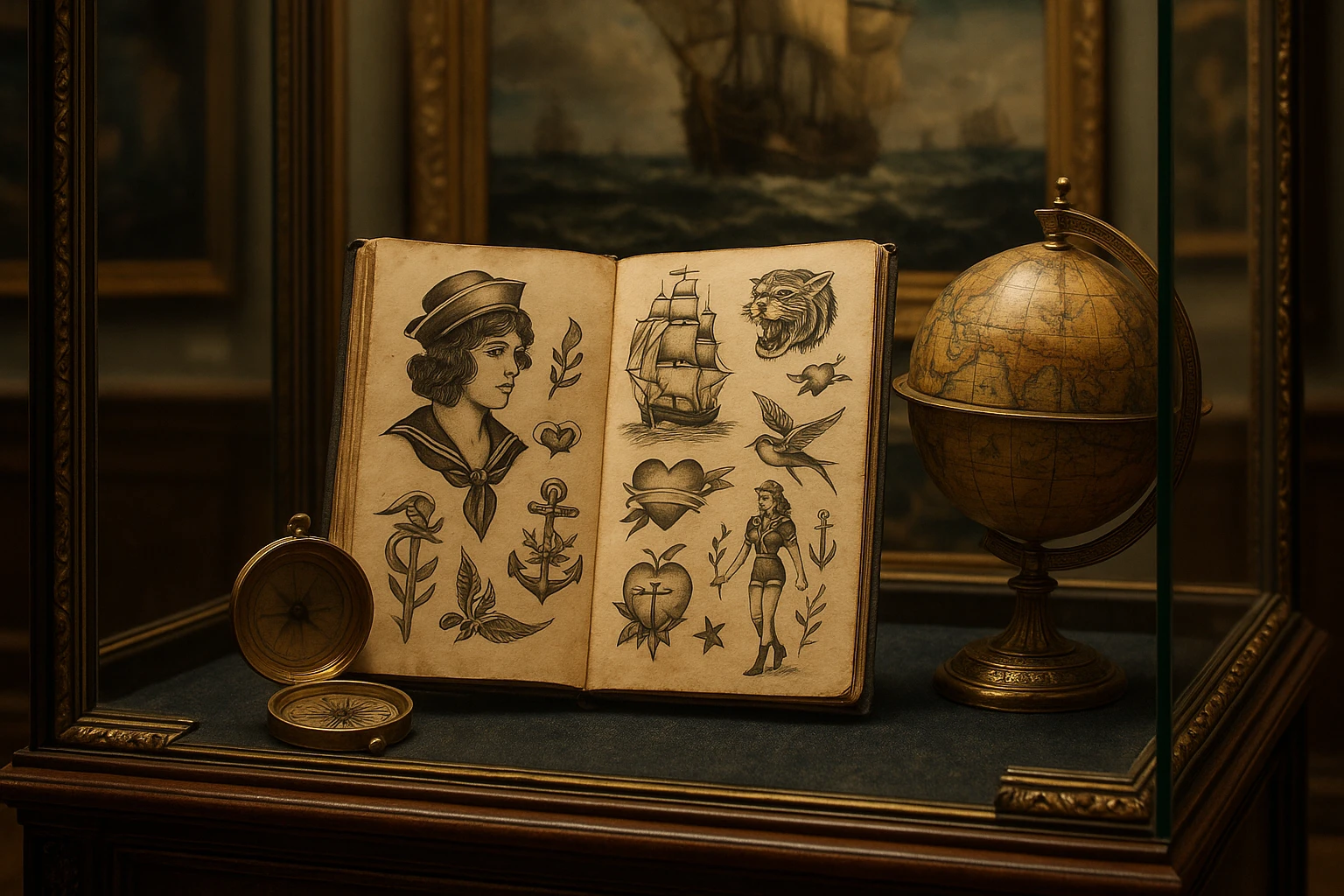
Across the world, tattoo styles such as American Traditional, Realism, and Watercolor have gained widespread popularity. Each style carries distinct characteristics and influences, offering diverse options for personal expression. American Traditional tattoos are known for their bold lines and vibrant colors, often featuring classic motifs like anchors, swallows, and roses. This style draws from the rich history of maritime tattooing among sailors, who used tattoos as talismans for protection and remembrance.
Furthermore, the contemporary adoption of realism in tattoo art demonstrates the evolution of the medium. Artists are now able to create hyper-realistic imagery that captures portraits, animals, and landscapes with striking accuracy. The rise of social media platforms has fueled the exchange of ideas and artistic techniques, allowing tattoo artists to showcase their works to a global audience, thereby expanding their reach and influence.
Tattoos as Social Commentary
In recent years, tattoos have also emerged as a form of social commentary and activism. People use their skin as a canvas to voice opinions and support causes, whether it’s advocating for environmental conservation or promoting social justice. This trend underscores the tattoo’s evolving role within society, transforming it into a dynamic medium for change and communication.
The journey of tattoos, as explored in the article about the history of tattoo in different cultures, highlights their enduring impact and adaptability. As society continues to evolve, tattoos remain a powerful testament to human creativity and cultural interconnectedness, ever-reflective of the stories we choose to tell.
Conclusion: Embracing the Rich Legacy of Tattoo in Diverse Cultures
The journey through the history of tattoos in different cultures reveals not just a timeline of artistry but a testament to cultural heritage. Each region, from the Polynesian islands to the tribes of Africa, has contributed unique narratives and styles that continue to inspire modern tattoo art. These tattoos are more than skin deep; they are a manifestation of identity, resilience, and tradition, echoing stories passed down through generations.
As we contemplate the insights from the article about the history of tattoo in different cultures, it’s clear that tattoos serve as a bridge connecting the past with the present. For anyone looking to explore these connections further, professionals and enthusiasts alike should delve into the meanings and symbols specific to each culture to truly appreciate the depth of this art form. This understanding can guide both personal tattoo choices and broader appreciation for tattoos’ cultural significance.
Actionable Insights for Tattoo Enthusiasts
For those considering their first tattoo or adding to an existing collection, incorporating cultural elements with respect and understanding is crucial. Researching the origin and significance of certain designs ensures that tattoos are not only artistically appealing but also culturally aware. Collaborating with knowledgeable tattoo artists who specialize in traditional techniques can enhance the authenticity of the experience.
Educational resources like documentaries, books, and exhibitions offer a deeper dive into the diverse practices of tattooing across cultures. Engaging with these materials can expand one’s perspective on the symbolic language that tattoos represent globally, fostering a respectful appreciation for the art form’s rich history.
Call to Action: Rediscovering Heritage Through Tattoos
As tattoos continue to evolve, they remain a dynamic form of personal and cultural expression. Those inspired to explore the interplay between tradition and modern artistry can tap into resources that offer comprehensive insights and products supporting artistic endeavors. Consider visiting TKTX for further guidance and tools that uphold the integrity of this age-old practice. By integrating knowledge of history with contemporary techniques, tattoo enthusiasts can honor the past while crafting their unique narratives.
Ultimately, by embracing the cultural roots of tattoos, we engage in a dialogue with history, celebrating a tradition that transcends mere decoration to become a powerful medium of identity and storytelling.
Article Generated by Soogle